This website uses cookies
This website uses cookies to improve the user experience. By using our website, you consent to all cookies in accordance with our Cookie Policy. Read more.
This website uses cookies to improve the user experience. By using our website, you consent to all cookies in accordance with our Cookie Policy. Read more.

 2026
2026
“CHANGE IS POSSIBLE. WE MUST ACCELERATE IT.”
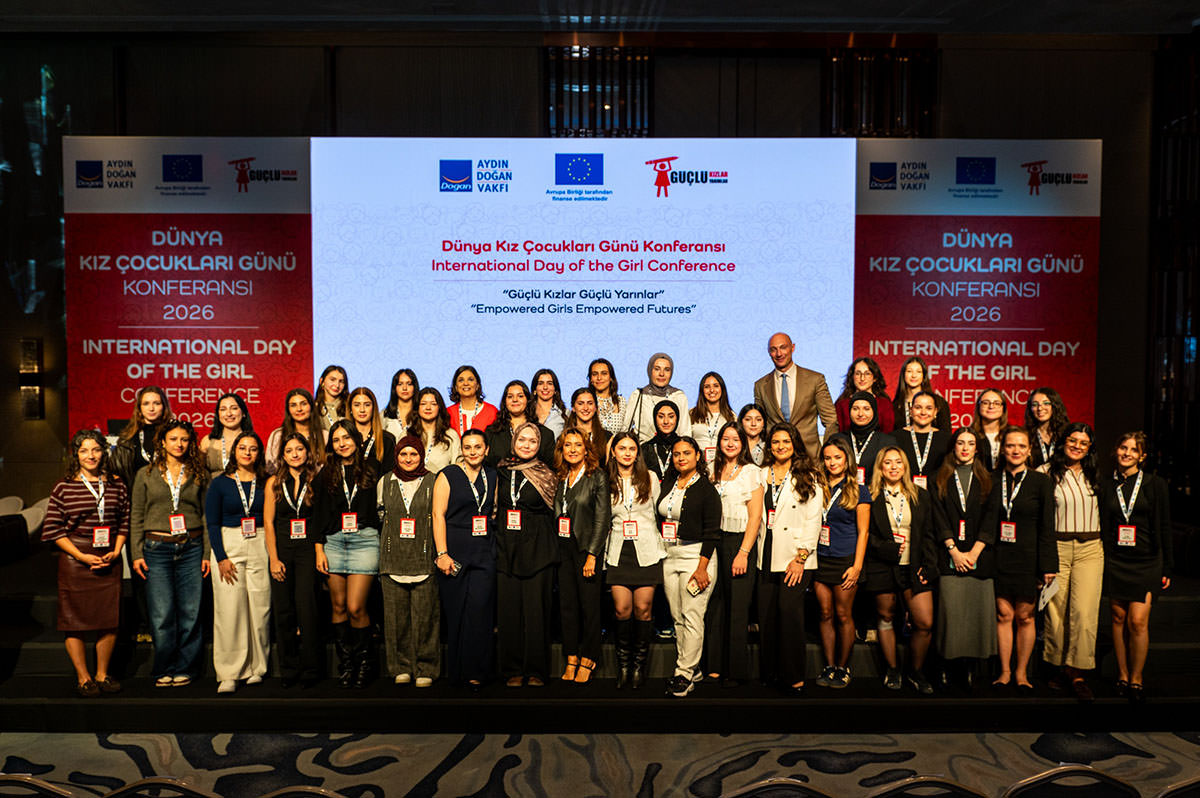
The International Day of the Girl Child Conference, held as part of the Aydın Doğan Foundation’s EU-supported “Empowered Girls, Empowered Futures” project, brought together United Nations and EU representatives, civil society leaders and young people in Istanbul. The conference highlighted the vital importance of ensuring that girls have a seat at decision-making tables and are empowered in technology and leadership. Participants stressed that the projected 120-year wait to achieve global gender equality is unacceptable and called for joint action by the public sector, civil society and the private sector.
“CHANGE IS POSSIBLE. WE MUST ACCELERATE IT.”
The International Day of the Girl Child Conference, held as part of the Aydın Doğan Foundation’s EU-supported “Empowered Girls, Empowered Futures” project, brought together United Nations and EU representatives, civil society leaders and young people in Istanbul. The conference highlighted the vital importance of ensuring that girls have a seat at decision-making tables and are empowered in technology and leadership. Participants stressed that the projected 120-year wait to achieve global gender equality is unacceptable and called for joint action by the public sector, civil society and the private sector.
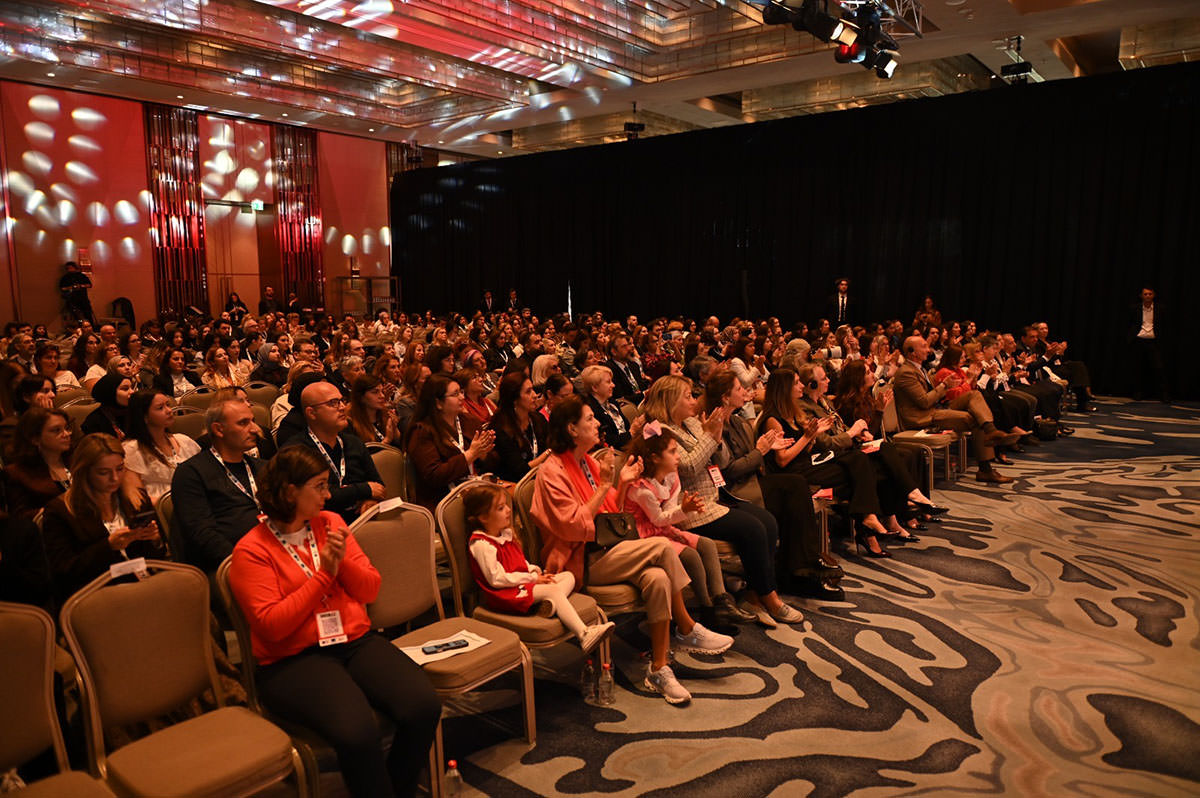
Organised annually by the Aydın Doğan Foundation to mark the United Nations International Day of the Girl Child, this year’s conference took place in Istanbul under the same theme as the EU-supported “Empowered Girls, Empowered Futures” project. Held for twelve consecutive years, the gathering brought together representatives of the public sector, civil society, academia and international organisations, alongside young women shaping the future, around a shared vision.
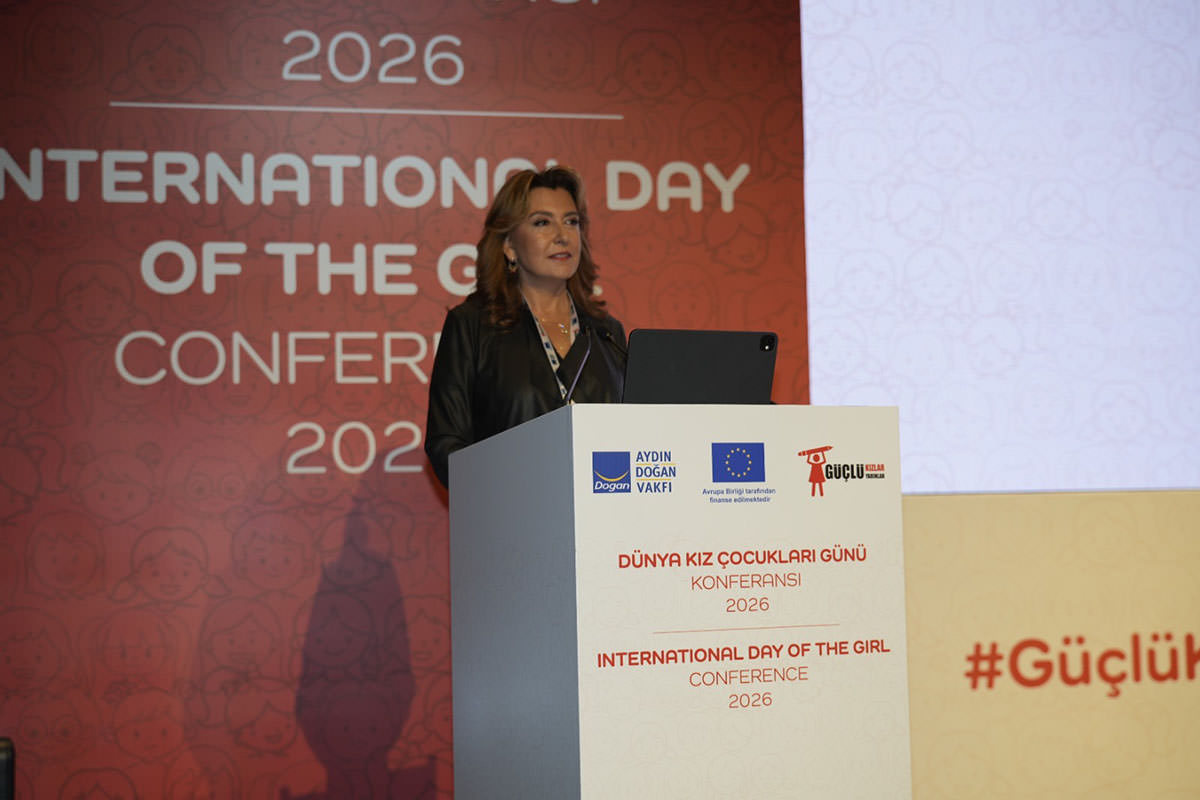
Delivering the opening address, Arzuhan Doğan Yalçındağ, Chair of the Aydın Doğan Foundation, began by drawing attention to a recent photograph taken at the White House with leaders of the artificial intelligence industry representing $1.3 trillion in wealth, with no women at the table. Yalçındağ noted that while women account for 28–29% of the workforce in advanced technology companies, their share among senior executives falls to 12–14%. She emphasised that this persistent “glass ceiling”, even in the most innovative sectors, points to a complex web of structural barriers extending far beyond tradition.
Recalling the historic gains in women’s participation in education in Türkiye over the past quarter-century, Yalçındağ stressed that education is a beginning rather than an endpoint: “A girl receiving an education is not the end of the story; it is the beginning. The real question is whether she will be able to enter the workforce, achieve economic independence and have a seat at the country’s decision-making tables. In Türkiye, one in three young women aged 15–24 is neither in education nor in employment, while the female employment rate stands at just 32.1%. The World Economic Forum’s 2026 report tells us that, at the current pace, achieving full equality will take 120 years. Do we really have to wait another 120 years? Our answer is clear: No. Change is possible. Now is the time to accelerate it and to see our girls not only as the leaders of tomorrow, but also as agents of change today.”
Yalçındağ also shared findings from the Foundation’s Needs Assessment study, in which 91.4% of young women identified economic difficulties and 76.7% identified gender norms among the greatest barriers to leadership. She added that, of the 7,652 young women reached through the EU-supported project to date, 99% had developed a strong awareness of leadership and access to opportunities.
At the end of her speech, Arzuhan Doğan Yalçındağ paid tribute to Professor İoanna Kuçuradi, who had recently passed away and was the most recent recipient of the Aydın Doğan Award. Quoting Kuçuradi, she said: “I am stubbornly hopeful. It is a way of life. You, too, should be stubbornly hopeful.”
Vuslat Doğan: “Our Greatest Compass Is Our Curiosity and Our Own Inner Voice”
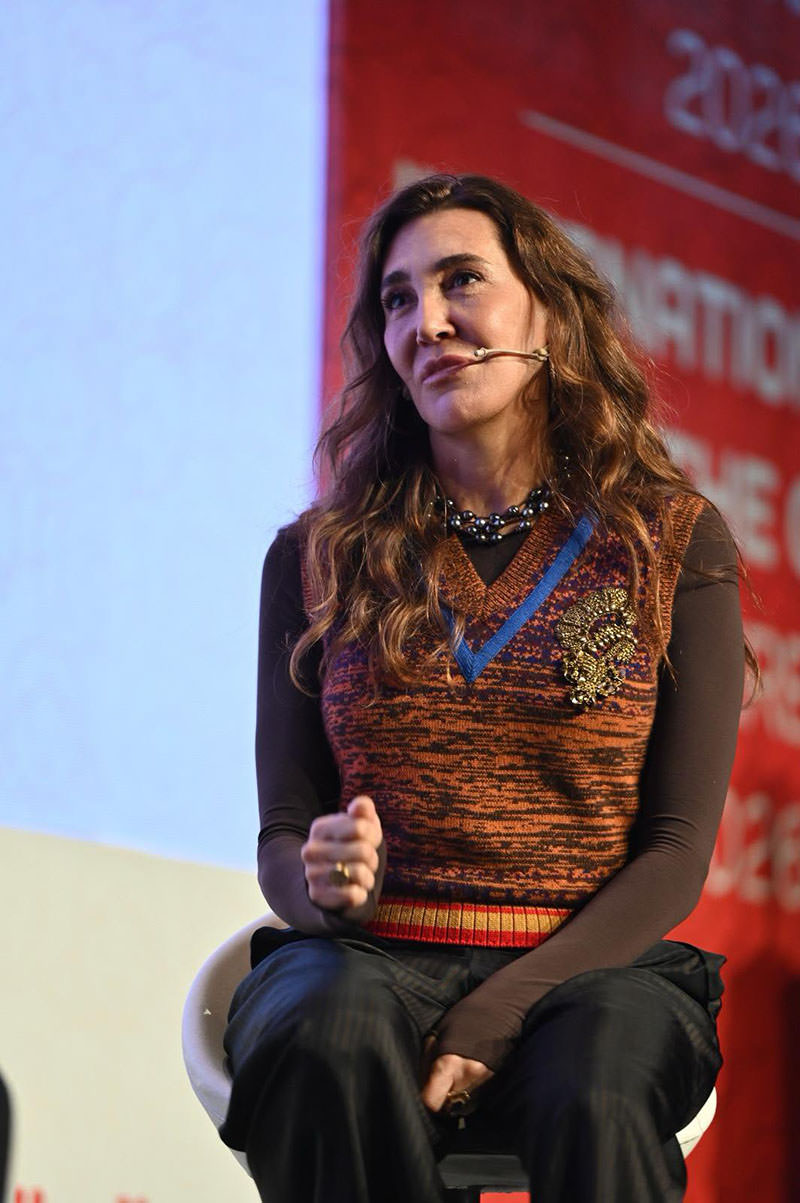
During a special conversation moderated by Yekta Kopan, Vuslat Doğan, Founder and Chair of V Foundation, met with young participants. Sharing her experiences from media leadership to her artistic journey and discussing the concept of “generous listening”, she encouraged young women to overcome self-imposed limitations in the face of uncertainty and social pressures.
Describing curiosity as her most fundamental guide through life, Vuslat Doğan said: “It is difficult to define a journey in advance because, as the journey changes, we ourselves are transformed along the way. Yet having a compass is invaluable. My compass has always been my curiosity. When you begin to listen to yourself, your mind is initially filled with negative voices and obstacles. Over time, however, those voices fall silent, and that is when my true creative process begins. I was only able to move forward with courage once I removed the limits I had placed on myself and opened the doors I had labelled ‘impossible’. The most precious things a young woman must entrust to herself in life are her own inner voice, her curiosity and the place she wants to reach. Amid all the chaos and uncertainty, do not let anyone take these away from you. Safeguard what has been entrusted to you. Your greatest responsibility is to yourself. When you know what you want, that compass will lead you to the right place.”
A Shared Message of Equality and Transformation from the United Nations
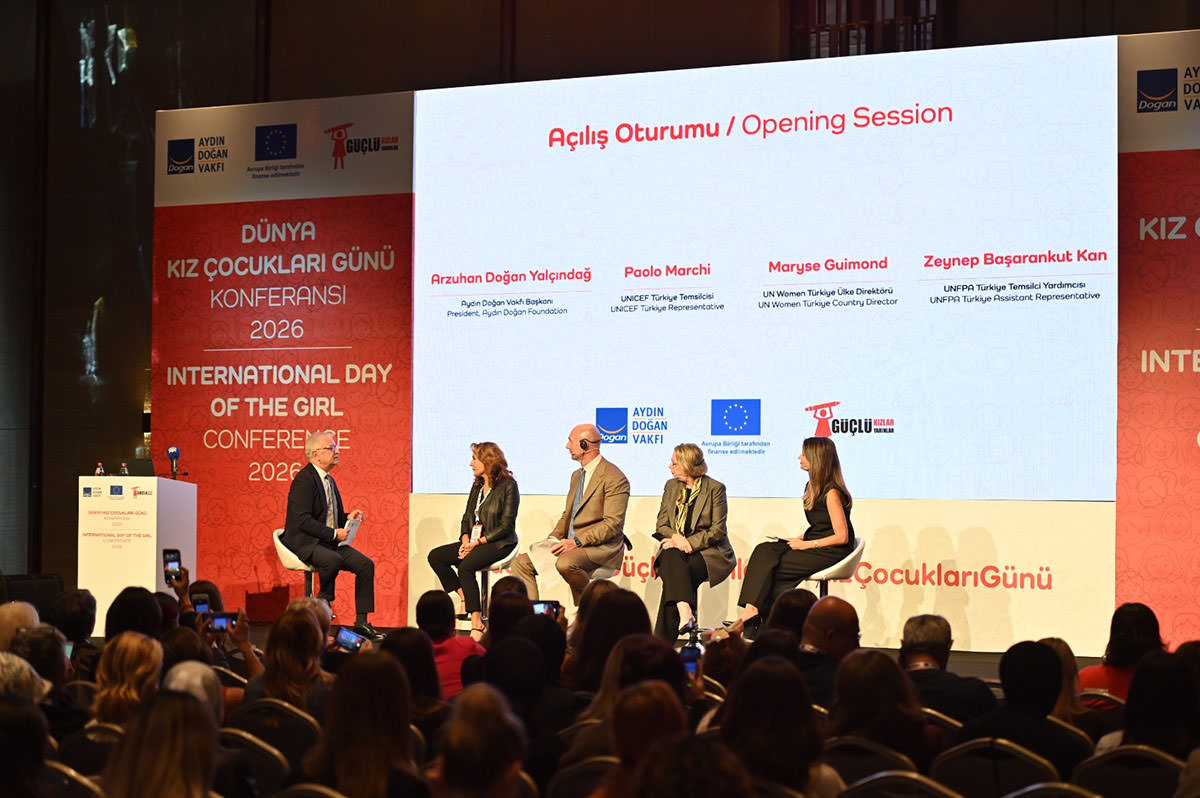
Senior representatives of United Nations agencies also shared messages of equality and inclusion during the conference’s opening session.
Paolo Marchi, UNICEF Türkiye Representative, emphasised that lasting social transformation cannot be measured by numbers alone: “Success is not just about numbers. It is about seeing girls feel more confident, boys become stronger allies, fathers take a more active role at home, and communities become more supportive and inclusive. At UNICEF, our goal is simple: to ensure that every child, regardless of gender, has the same opportunity to learn, thrive and achieve their full potential.”
Maryse Guimond, UN Women Türkiye Country Director, underlined that girls have the power to speak for themselves: As the mother of a young woman, I have always known that talent, courage and leadership are universal. What more than three decades of working with women and girls around the world have shown me is how unevenly opportunity is shared. Today, girls in Türkiye showed us once again that they are already leading, already opening doors and already shaping a more equal future. They speak for themselves. Our task is to remove the barriers in their way and make sure their voices count wherever decisions about their lives are made.
Zeynep Başarankut Kan, UNFPA Türkiye Assistant Representative, highlighted the impact that investing in young people can have across generations: “Every child, adolescent and youth deserves to grow up safe, healthy and supported, with the opportunity to learn, develop and shape their own future. This means investing in their health, education and protection, supporting families, and ensuring that every adolescent - especially every girl - has the information, skills and opportunities they need to make informed choices about their lives. When we invest in children and young people today, we help build healthier, more resilient families and societies for generations to come.”
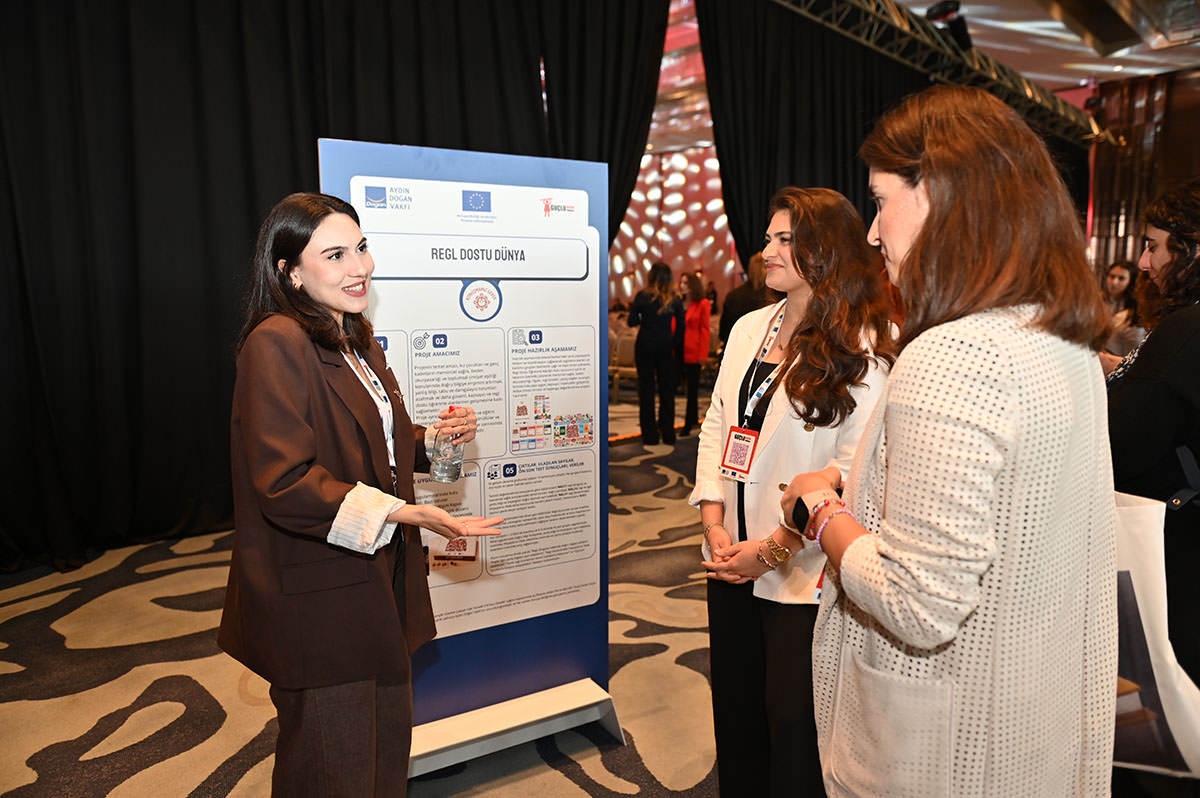
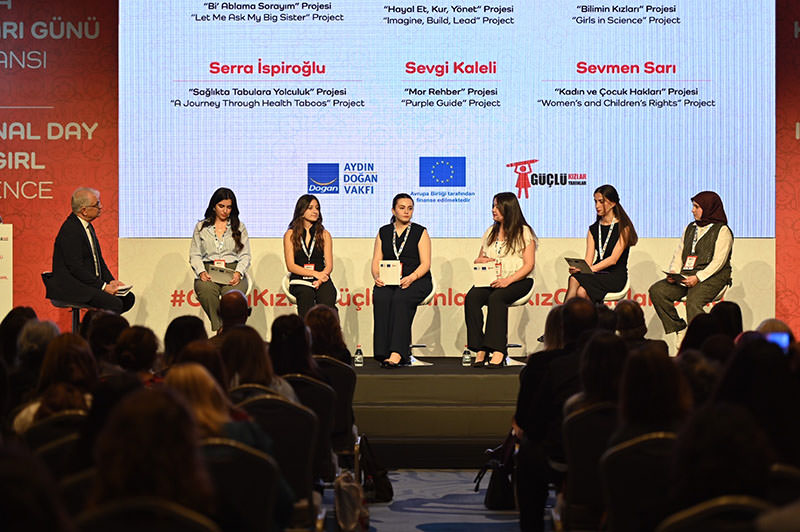
The panel discussions moderated by Yekta Kopan attracted strong interest from participants. In “Changing Tomorrow”, young people shared their projects and stories of change, while “Growing Our Impact Together” explored how civil society organisations can expand their impact on the ground.
Workshops Charted a Roadmap for the Future
Two parallel workshops took place in the second half of the day. In “Our Path”, young people and students explored what being empowered means to them, their aspirations for an equal future and their needs, jointly drafting the opening lines of the “Empowered Girls Empowered Futures Manifesto”.
The “From Needs to Collaboration” workshop brought together representatives of civil society organisations, the public and private sectors, and funding organisations. Participants discussed mobilising resources across stakeholder groups, social responsibility projects and joint actions to remove the barriers facing young women.
Speaking during the workshop, İpek Seda Bakır, Programme Manager in the Fundamental Rights and Civil Society Section of the Delegation of the European Union to Türkiye, said: “The European Union’s approach goes beyond providing grants to civil society organisations; it also aims to strengthen the overall environment in which civil society can operate effectively and independently.”
The conference concluded with the presentation of the manifesto drafted by young participants and the joint steps for collaboration identified by stakeholders.
 ALL NEWS